The University of Queensland is ranked among the world’s top universities, as measured by several key independent rankings. Our global reputation is one of the main reasons that international students choose UQ.
International students value these rankings as an objective and easy way to evaluate and compare the world's top universities. Apart from the university's location, its reputation and global ranking might be the deciding factor when you're choosing where to study.
But why do university rankings matter in Australia and what will they mean to you if you get a degree from UQ? Rankings can be a strong indicator of:
- learning and teaching quality
- world-leading research
- overall university experience
- future employment outcomes.
This article explains UQ’s major international rankings, how we achieved them and why they should matter if you are considering study at UQ.
QS World University Rankings 2027
UQ is ranked 6th in Australia and =40th among the world’s best universities.
With thousands of international universities being evaluated, UQ ranked 6th in Australia and =40 globally in the latest QS World University Rankings 2027.
The QS World University Rankings are among the most prestigious university rankings in the world. They are the only international ranking to have received International Ranking Expert Group (IREG) approval.
Why has UQ achieved this result in this ranking?
The QS rankings incorporate academic reputation and employer reputation surveys, alongside indicators such as research citations, international outlook and sustainability.
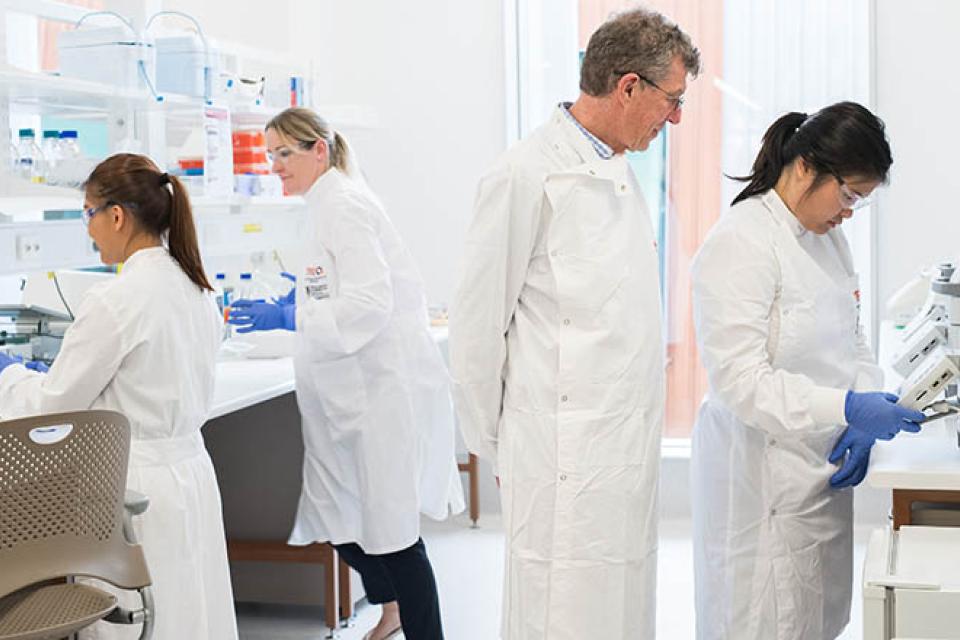
UQ’s reputation as one of Australia’s most research-intensive universities boosted its performance in the rankings. High-profile research projects have influenced this, including the development of the Gardasil cervical cancer vaccine and the Molecular Clamp technology that is used to rapidly develop vaccines for emerging viruses. Promising results have already been obtained for vaccines against influenza, Ebola and MERS.
QS World University Rankings by Subject 2026
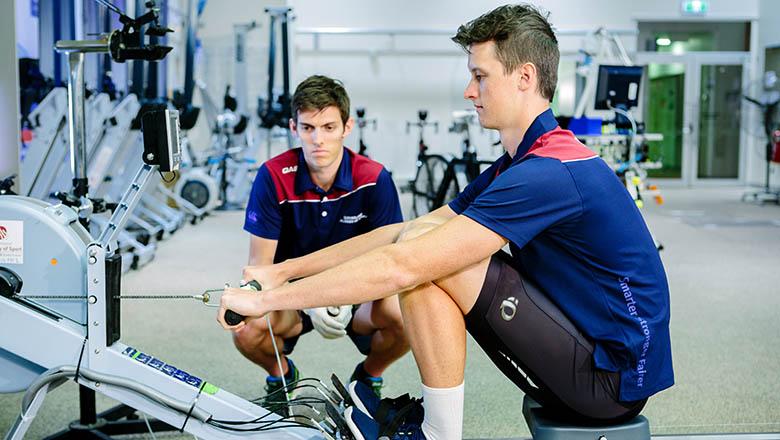
UQ ranks 1st in Australia and 2nd in the world in the field of Sports-related subjects and 5th in the world for Mineral and Mining Engineering in the QS World University Rankings by Subject, 2026.
- 2nd in Sports-related subjects
- 5th in Mineral and Mining Engineering
- 15th in Petroleum Engineering
- 18th in Environmental Sciences
- 22nd in Pharmacy and Pharmacology
- 26th in Agriculture and Forestry
- 27th in Psychology
- 30th in Anatomy and Physiology
- 31st in Hospitality and Leisure Management
- 34th in Veterinary Sciences
- 36th in Chemical Engineering
- 41st in Education
Why has UQ achieved this result in this ranking?
UQ’s leading research translates to high-calibre teaching and learning. UQ’s research output has made an impact on communities around the world, creating positive change.
Academics around the globe look to UQ and its academic reputation, citing research produced by UQ researchers to inform their own work. The above accolades mean that UQ’s research is contributing to further discoveries, developments and enhanced learning on a global scale.

Dr Anna Florin is a graduate from the PhD Program at the School of Social Science. She also completed her undergraduate studies within the Humanities and Social Sciences Faculty at UQ.
“The clear passion and research-based teaching that I was exposed to in my undergraduate studies drove me to major in Archaeology and, eventually, to consider a research career in the field.
I was very lucky to be exposed to archaeological fieldwork as part of my studies at UQ. I was awarded a UQ Advantage Grant to participate in an excavation in Turkey and I just fell in love with the experience. I couldn’t believe that archaeologists had the chance to travel, and immerse themselves in cultures, both in the past but also in the present. I was hooked.”
TIME Magazine’s World’s Top Universities 2026
UQ ranked 1st in Australia and 38th in the world in TIME Magazine’s World’s Top Universities 2026 rankings.
Developed in partnership with Statista, the ranking evaluates universities across academic performance, innovation, economic impact and global engagement. UQ’s strong result reflects the outcomes of its research, innovation and graduates on a global scale.
Why has UQ achieved this result in this ranking?
UQ performed strongly in the Innovation and Economic Impact indicator, which recognises the contributions of its graduates to advances in science and technology and global economic decision-making. UQ also achieved strong results in Global Engagement, reflecting the university's international reputation and extensive global network, making it a strong choice for international students.

Aggregate Ranking of Top Universities 2025
UQ is placed at 55th on the global list of universities and 5th place nationally.
The 2025 Aggregate Ranking of Top Universities (ARTU) consolidates the annual performance of universities across the three main world rankings: World University Rankings by Times Higher Education (THE), Quacquarelli Symonds (QS) and Academic Ranking of World Universities (ARWU).
QS Graduate Employability Rankings, 2022
UQ is ranked =63rd in the world and 6th in Australia in the 2022 QS Graduate Employability Rankings, placing UQ well within the top 10% of institutions worldwide.
The QS Graduate Employability Rankings compare universities around the world by considering factors including how connected they are to companies and industries, and how they are supporting students to develop their employability to respond to future industry needs. Data is collected from more than 40,000 employers and this research evaluates nearly 200,000 workplace partnerships.
Why has UQ achieved this result in this ranking?
Our award-winning Careers and employability program and entrepreneurial Ventures programs connect students to industry and enhance their employability. UQ works collaboratively with you to ensure that you are identifying your areas of development and articulating that value to future employers. Industry leaders are aware of the value that UQ can provide you in addition to your degree, and this is why the university has been awarded this reputational ranking.
The QS Graduate Employability Ranking is based on direct feedback from employers – real industry data, not just the opinions of the university and current students. As competition in the industry increases, the reputation of your university becomes even more important.
ShanghaiRanking’s Academic Ranking of World Universities (ARWU) 2026
UQ is ranked 73rd in the world and 2nd in Australia according to ARWU.
ShanghaiRanking’s Academic Ranking of World Universities (ARWU) ranks the world's universities by several indicators of academic or research performance, including:
- alumni and staff winning Nobel Prizes and Fields Medals
- highly cited researchers
- papers published in Nature and Science
- the per capita academic performance of an institution.
There is a significant emphasis placed on the achievements of a university’s alumni. More than 2,000 universities are ranked by ARWU every year, with the best 1,000 published.
Originally, the purpose of ARWU was to rank top Chinese universities, but it has since attracted a great deal of attention from universities, governments and public media worldwide as an inclusive and transparent international ranking body. The ARWU is one of the 3 most-read university rankings in the world, alongside the QS World University Rankings and the Times Higher Education World University Rankings.
Times Higher Education World University Rankings 2027
UQ is =73rd in the world and 4th in Australia in the Times Higher Education (THE) World University Rankings 2027 in a field of more than 2,000 research-intensive institutions across 115 countries and regions.
The World University Rankings judge research-oriented universities across their core missions:
- teaching
- research
- citations
- international outlook
- industry income.
It is the only university ranking to be independently audited by multinational professional services firm PricewaterhouseCoopers.
Nature Index Research Leaders 2026
UQ ranks 2nd in Australia and 131st in the world.
In 2026, UQ was placed at 2nd in Australia, and 131st internationally in the Research Leaders rankings.
Each year, the Nature Index publishes tables based on counts of high-quality research outputs in the previous calendar year, using several metrics to track contributions, collaborations and impact made by research articles in 178 high-quality published science journals. Data in the Nature Index is updated regularly, with the most recent 12 months made available under a Creative Commons licence.
Why has UQ achieved this result in this ranking?
UQ’s commitment to leading research output and performance in an array of fields has contributed to this outcome. Researchers across our faculties and institutes are striving to improve health, the environment and society across the globe.

CWTS Leiden Ranking 2025
UQ is one of Australia’s leading research universities, ranking 50th in the world for global research quality in the CWTS Leiden Ranking 2025.
UQ’s performance is measured by the number of publications the university has within the top 1% of the most-cited research in that specific field.
Highlights from the CWTS Leiden Ranking 2025 (all based on the P top 1% indicator):
• 1st in Australia for Life and earth sciences
• 3rd in Australia for Physical sciences and engineering
• 4th in Australia for Social sciences and humanities
Why has UQ achieved this result in this ranking?
The Leiden Ranking measures research performance through publications, making it a strong indicator of a university’s global research impact. UQ’s position reflects the strength and influence of its research across a wide range of scientific disciplines. The Leiden Ranking measures more than 1,500 global universities on scientific impact, collaboration, open access publishing and gender diversity.
UQ's strong and consistent global rankings have indeed contributed to its global reputation. When you enrol at UQ, you will be joining a university that is highly regarded by several key independent rankings, recognised by academics, researchers and employers around the world.