Australia’s energy industry is transforming at breakneck speed. But as the sector evolves, so too must the skills and mindsets of those entering it.
So, how can the next generation prepare to lead the energy transition? Owen Hanson has spent 2 decades navigating Queensland’s shifting energy landscape. He believes the answer lies in practical education, strategic partnerships and a willingness to embrace change.
Owen works in the Strategic Partnerships division at energy provider Stanwell, which drives corporate strategy and supports the delivery of new energy projects. In his role, he has helped shape Stanwell’s energy shift narrative and managed major commercial and political announcements to support.
Owen shares why he believes hands-on learning and industry collaboration is vital to bridging the gap between classroom theory and the complex challenges of the energy sector.
The energy industry is evolving rapidly. Where do you see the biggest opportunities for innovation right now, particularly in Queensland?
Queensland’s energy story has changed dramatically over the past 2 decades. Twenty years ago, coal was the dominant export. Today, Queensland is a major exporter of liquefied natural gas (LNG), with around 24 million tonnes exported in 2024–25.
Over the past 20 years, I’ve worked across the energy and resources sector in commercial, project and policy roles spanning petroleum, gas, coal, minerals, renewables, hydrogen, low-carbon fuels, carbon management and power generation.
I’ve worked on several large-scale energy projects, including Rio Tinto’s coal and uranium businesses, and then Queensland’s first coal seam gas to LNG project with QGC (now owned by Shell). That project alone saw over US$20 billion invested before the first dollar of revenue.
More recently, I’ve worked on renewable hydrogen initiatives, seeking to export zero-carbon energy using Queensland’s abundant solar and wind resources. These shifts show how innovation and investment can reshape an entire sector.
The biggest innovation opportunities now lie in renewables, energy storage, digital energy platforms and new business models that support decentralised energy systems. Queensland is well-positioned to lead in these areas.
What is sustainable energy?
Sustainable energy is energy that can be produced and used in ways that don’t deplete natural resources or harm the environment, ensuring long-term availability for future generations. It focuses on energy and sustainability by using sustainable energy sources such as solar, wind and hydro, alongside technologies like energy management systems to improve efficiency and reduce emissions. These sustainable energy solutions are essential for creating a cleaner, more resilient energy sector, supporting global efforts to combat climate change and drive innovation in other sectors.
How did you first become involved with UQ’s sustainable energy and innovation programs?
Even though I have 20 years of experience in the energy industry, it continues to evolve. Programs like UQ’s Master of Entrepreneurship and Innovation, particularly the Climate Technology and Sustainable Energy field of study, will help me build the skills needed to contribute meaningfully to this transition.
The pace of change is accelerating, and innovation will be a key enabler. Several colleagues have completed this program and are now applying their learnings to some of the sector’s biggest challenges. Their feedback on the program was overwhelmingly positive, which inspired me to further my own education.
How do you see programs like the Master of Entrepreneurship and Innovation helping bridge the gap between classroom learning and real-life application?
The Master of Entrepreneurship and Innovation is designed with industry relevance in mind. Through guest lectures, applied projects and partnerships, students gain exposure to the challenges and opportunities shaping the energy industry.
The Climate Change and Sustainable Energy field of study provides a strong foundation in policy, technology and systems thinking, all of which are essential for navigating the energy transition.
Why is it important students gain practical exposure to industry challenges?
Practical industry exposure allows students to apply their learning to contemporary challenges, whether it’s designing sustainable transport solutions for the Brisbane 2032 Olympics or developing new business models for distributed energy.
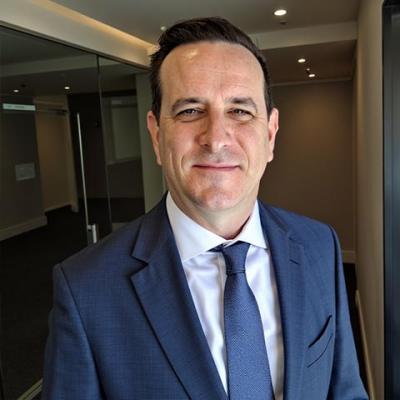
Everything I’m learning during my studies can be applied directly to help businesses, industry and communities to navigate today’s energy challenges.
UQ’s programs also enable students to engage with case studies, industry experts and collaborative projects that mirror the complexities of the energy transition. This kind of experiential learning ensures graduates are not only knowledgeable but also industry ready.
What skills or perspectives do you think are most valuable for students entering Queensland’s changing energy landscape?
An inquisitive mindset, a strong grasp of emerging trends and systems thinking are essential. The energy landscape is dynamic. What’s true today may not be tomorrow. The ability to anticipate change and adapt quickly is critical. Students who can connect technical knowledge with strategic thinking will be well-positioned to lead in this space.
What role do you think young professionals can play in shaping the future of sustainable energy in Australia?
Young professionals are critical to the energy transition. They bring fresh perspectives, digital fluency and a strong sense of purpose.
We need sharp minds and inquisitive thinkers to challenge the status quo, drive innovation and help us build a sustainable energy future. Their ability to connect ideas, technologies, and communities will be key to Australia’s success in decarbonising and transforming its energy systems.
Sustainable energy jobs Australia
Completing postgraduate study could prepare you for a range of careers in the sustainable energy sector. Here are some example renewable energy industry jobs and sustainable energy jobs in Australia:
- Clean energy policy officer
- CleanTech startup founder
- Climate technology analyst
- Corporate sustainability manager
- Energy analyst
- Energy manager
- Energy policy & regulatory compliance analyst
- Energy transition adviser
- Environment and planning adviser
- ESG venture adviser
- Impact investment analyst
- Renewable energy strategy consultant
- Sustainable energy consultant
- Sustainability innovation manager
- Sustainability program lead
- Wind energy solutions manager
Ready to see where a career in sustainable energy could take you?
Learn more about the Climate Technology and Sustainability Energy field of study available in UQ’s Master of Entrepreneurship and Innovation.