

Take a scientific approach to the study of food and its consumption.
Examine the psychological, sociological and cultural factors influencing food choice and their effect on consumer health.
Study food processing principles, shelf-life and sensory evaluation of products with consumer panels, and the microbiological and chemical testing of products for consumer safety.
Learn how the physical and chemical composition of food is affected during processing and storage, and how to improve safety and quality of food.
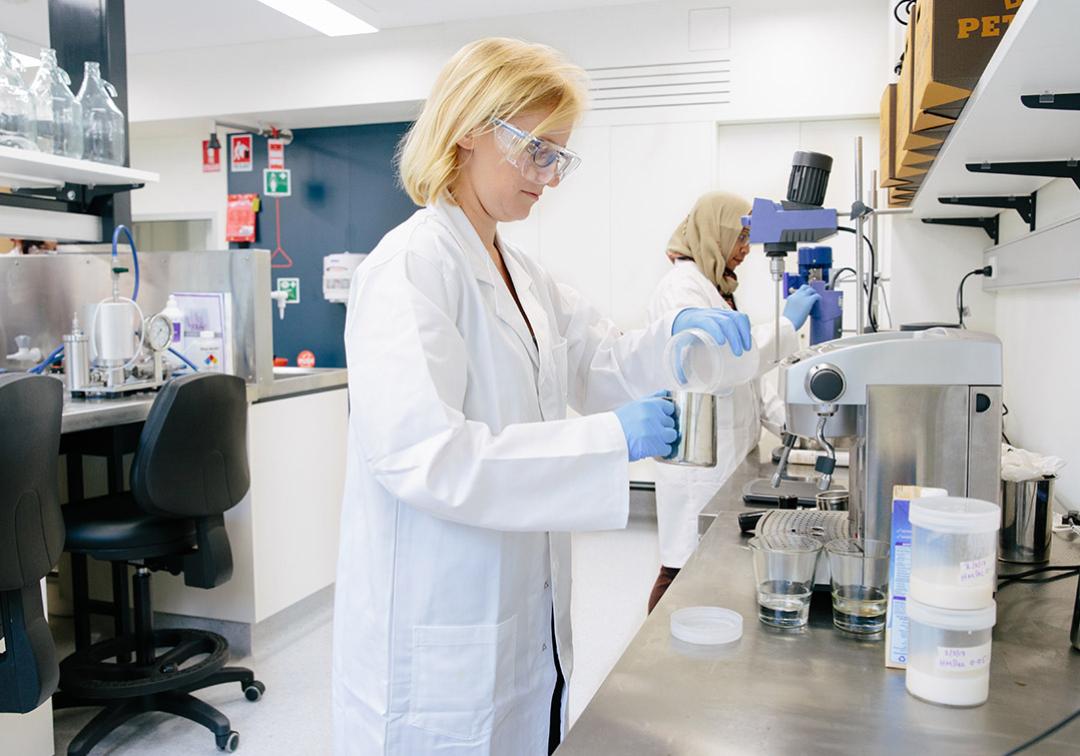
Apply your knowledge during practical laboratory sessions and industry work placements.

Career possibilities
Our programs prepare you for your first job and beyond. Here are some of the careers you could be on your way to:
- Nutritionist
- Nutrition adviser
- Nutrition scientist
- Food technologist
- Food quality compliance associate
- Policy adviser
- Food chemist
- Food security adviser
- Research officer
- Laboratory technician
Average annual salary range
Food Technologist
seek.com.au
Average annual salary range
Policy Adviser
seek.com.au
Next steps after graduation
Food is one of largest industries in the world and offers a diverse range of career opportunities in the fields of nutrition, food science and technology, education, and research and development.
Employment for nutrition professionals is expected to grow by 15.1 per cent by 2028 (source: Jobs and Skills Australia).
You can expect to find employment in:
- community nutrition and education
- food policy development and implementation
- research and development
- food safety compliance
- food processing and manufacturing
- technical sales and marketing.
To gain accreditation as a dietitian, you’ll need to continue into a Master of Dietetics after completing your undergraduate program.
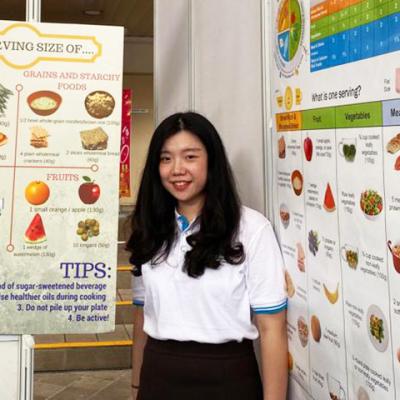
The strong technical knowledge I acquired from my degree is helping me improve the nutrition, wellbeing and quality of life of Singapore's community and residents.

I love how practical and applicable the areas of food science and nutrition are to real life. I enjoy learning where my food comes from, what elements influence the quality, safety and security of what I eat, and how that impacts the larger population.
The strong technical knowledge I acquired from my degree is helping me improve the nutrition, wellbeing and quality of life of Singapore's community and residents.
I love how practical and applicable the areas of food science and nutrition are to real life. I enjoy learning where my food comes from, what elements influence the quality, safety and security of what I eat, and how that impacts the larger population.
Events
See all events

9 June
Master of Physiotherapy information webinar

29 June
Queensland Biology Winter School, Year 12
Stories
See all stories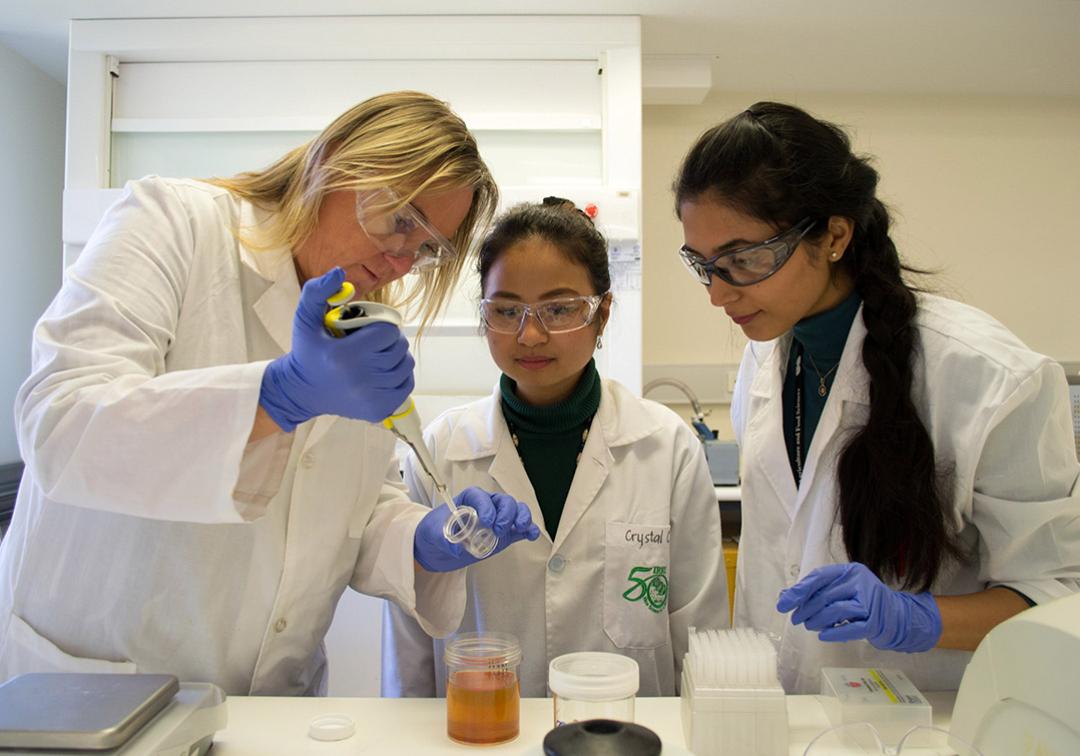
Careers
What can you do with a food science degree?
4-minute read

Uni life
What's it really like to study science at UQ?
9-minute read
Stories
See all storiesCareers
What can you do with a food science degree?
4-minute read
Uni life
What's it really like to study science at UQ?
9-minute read
How you'll learn
Your learning experiences are designed to best suit the learning outcomes of the courses you choose.
- Lectures
- Tutorials
- Work placements
- Research experience
- Laboratory work
What you'll study
At UQ, subjects are called 'courses'. Here's a sample of the courses you could study:
- Nutrition Science
- Food Chemistry
- Principles of Food Preservation
- Community & Public Health Nutrition
Keep up to date
Sign up to get information about applying and studying at UQ.