Today, the word pandemic conjures blurry memories of cabin fever, worrying about vulnerable loved ones, and waiting nervously in line – mask on, sleeves rolled up – for a booster shot. For most of us, it feels like another lifetime, like a dystopian parallel universe that we briefly slipped into.
But in the broader sweep of global history, COVID-19 is just one blip in a long pattern of outbreaks. And that pattern is accelerating. Statistics suggest that epidemics are becoming more frequent (and future pandemics more likely).
Scientists and public health professionals have a vital role to play in predicting and preparing for these emerging threats. So, how can we start spotting future outbreaks early enough to stop them?
That’s where researchers in epidemiology like Beatris Mario Martin come in.
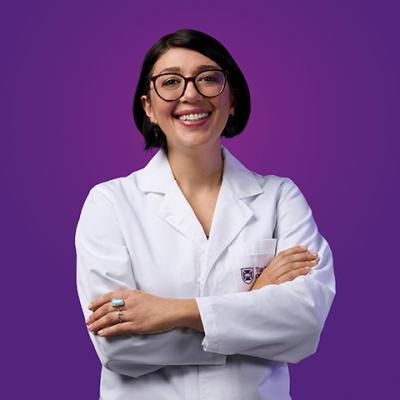
A combination of factors led me to research – I’m curious, I enjoy learning new and complex things, and I knew that having a PhD would open doors in my career.
Using data science to understand how diseases spread
With a strong clinical background specialising in infectious diseases, Beatris took a bold step beyond patient care (and her home country of Brazil) to pursue a PhD here at UQ. Her research focuses on understanding the spread patterns of two emerging diseases in the Dominican Republic:
- leptospirosis, a bacterial infection that causes flu-like symptoms and can lead to life-threatening complications
- COVID-19, which remains a real threat and is disproportionately affecting Caribbean nations like the Dominican Republic.
What makes both diseases especially challenging to study is that their patterns of transmission have recently changed. But understanding those changes is exactly what Beatris’ work aims to do.
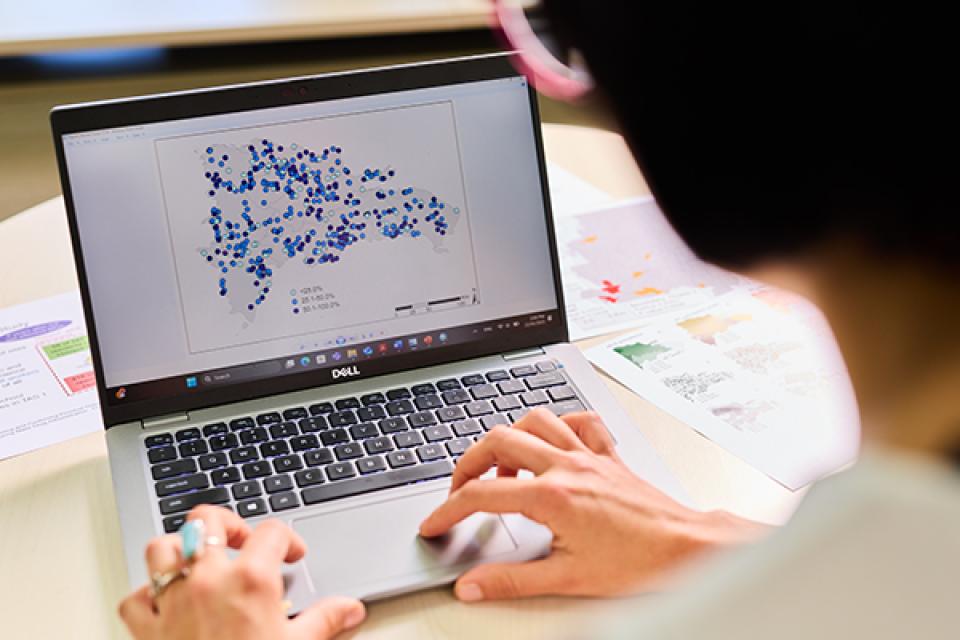
“My PhD uses spatial epidemiological models to understand the distribution of these diseases and to better understand these changes in the transmission patterns,” she says.
“We conducted a national survey of nearly 7,000 participants, including blood samples and recorded household coordinates (GPS). The blood samples were tested for markers of COVID-19 and leptospirosis.”
“With the lab results in hand, I mapped positive and negative cases of each disease based on household locations. Then, I incorporated data on temperature, rainfall, vegetation, GDP, educational level, and more. Because this data is also encoded with geolocation, I can test the frequency of association between these environmental factors and the lab results.”
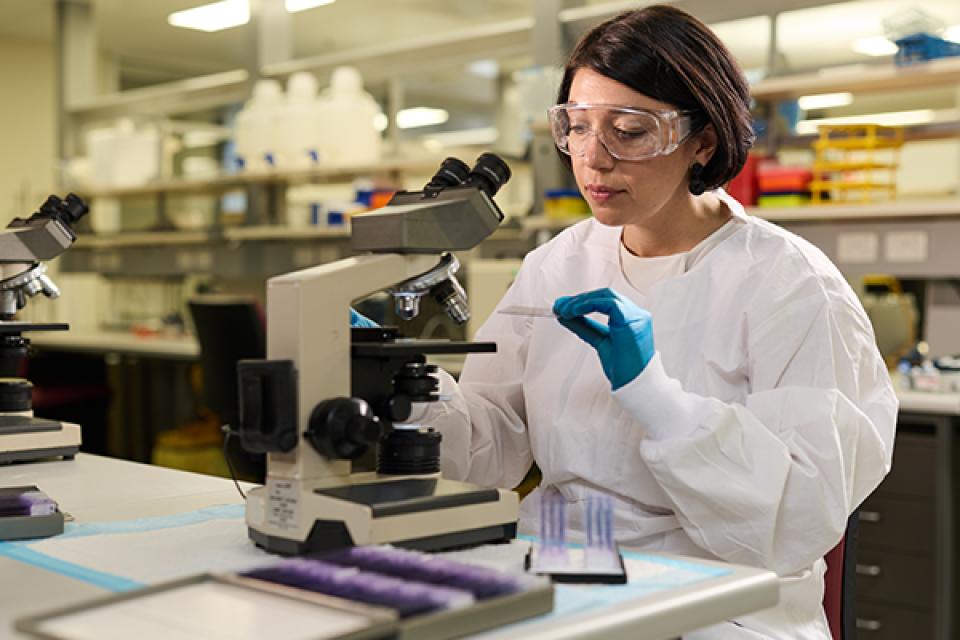
By combining this geospatial and medical data, Beatris can provide answers to crucial questions about how these diseases spread: Are cases clustered? What factors are driving transmission in different areas? And how can these insights be used to help communities?
Although the survey covered only select areas, the data is comprehensive enough to be extrapolated and applied elsewhere – even to regions that weren’t represented by a single participant. This means her models can enable more informed, data-driven responses across the country.
“By generating a more robust understanding of the association of these infections with environmental and sociodemographic factors at subnational levels across the country, this project can contribute to targeted interventions and a better allocation of resources to those places where they are most required.”
Beatris’ collaborative PhD experience
Beatris’ PhD project with the UQ Centre for Clinical Research was made possible by her collaborative team of supervisors:
- Professor Colleen Lau, her principal advisor from the UQ Centre for Clinical Research
- Associate Professor Benn Sartorius, an established spatial and global health epidemiologist
- Dr Helen Mayfield, who uses advanced data modelling techniques to explore the environmental drivers of disease
- Dr Angela Cadavid Restrepo, a postdoctoral research fellow from the UQ School of Public Health
- Professor Eric Nilles, a pioneer in infectious disease research from Harvard University.
“I truly believe that my project wouldn’t exist if not in a team that promotes a collaborative environment,” says Beatris.
“Being part of a multidisciplinary team contributed to a more robust project by incorporating multiple perspectives into each analysis. It also promoted opportunities to contribute to several projects and develop new skills.”
“During my PhD, I had two opportunities to do fieldwork, in Samoa and Tonga. As the goal of each fieldwork was different, I could learn different aspects of engaging with the community, training teams, and logistics of collecting and bringing back samples.”
In fact, Beatris has taken part in a wide range of collaborative activities that have extended her skills and networks. These have included:
- attending the HEAL Future Leaders course in Canberra
- visiting research partners at Emory University, the Carter Center and the Coalition for Operations Research on Neglected Tropical Diseases in Atlanta, US
- facilitating sessions on emerging infectious diseases for a World Health Organisation workshop.
All these experiences have helped her develop a more holistic view of her research and the impact it can have on infectious disease management around the world.
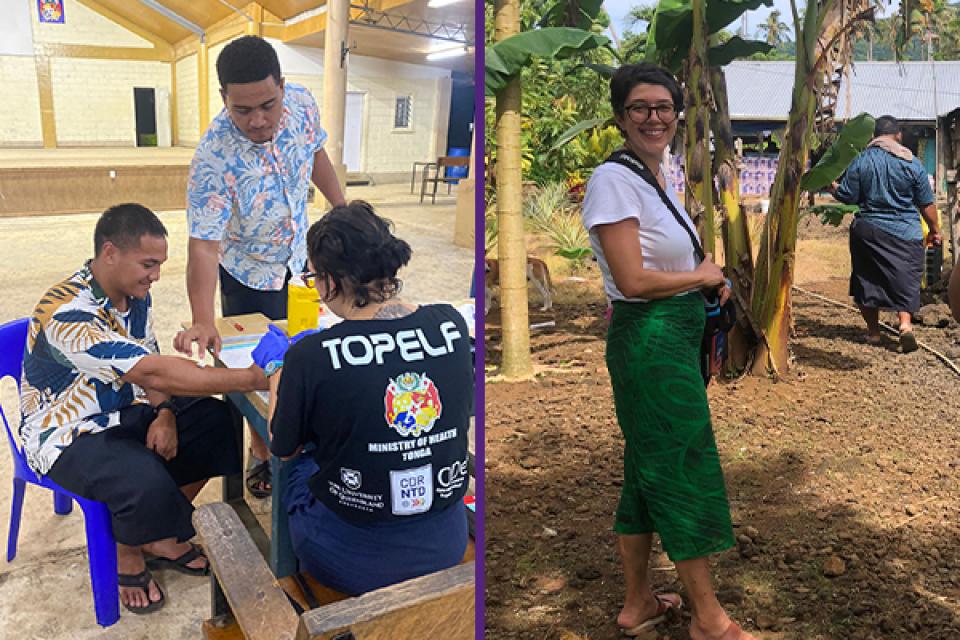
Beatris’ research has taken her on field trips abroad, including to Tonga (left) and Samoa (right)
What led Beatris to her PhD?
For Beatris, the path to research began with a desire to make a bigger impact.
Working as a clinician, she began to feel the limits of what could be achieved one patient at a time. She found herself drawn instead to the broader lens of public health, where decisions have the potential to improve outcomes for entire communities or even countries.
“First, as a clinician, I started feeling limited in the impact of my actions – this would eventually lead to me pursuing a public health or epidemiology career, mainly aiming to be a policymaker,” says Beatris.
“Second, I realised that actions with great impact in public health are based on a solid scientific foundation.”
“With these two things in mind, I decided to do a PhD in epidemiology with a group where translating high-quality research into cost-effective public health policy is a priority.”
While Beatris was looking for a place to bring this ambition to life, her husband was also looking for an opportunity to expand his academic career in neuroscience. Their search led them to UQ, drawn by the university’s reputation for excellence in both their fields of study.
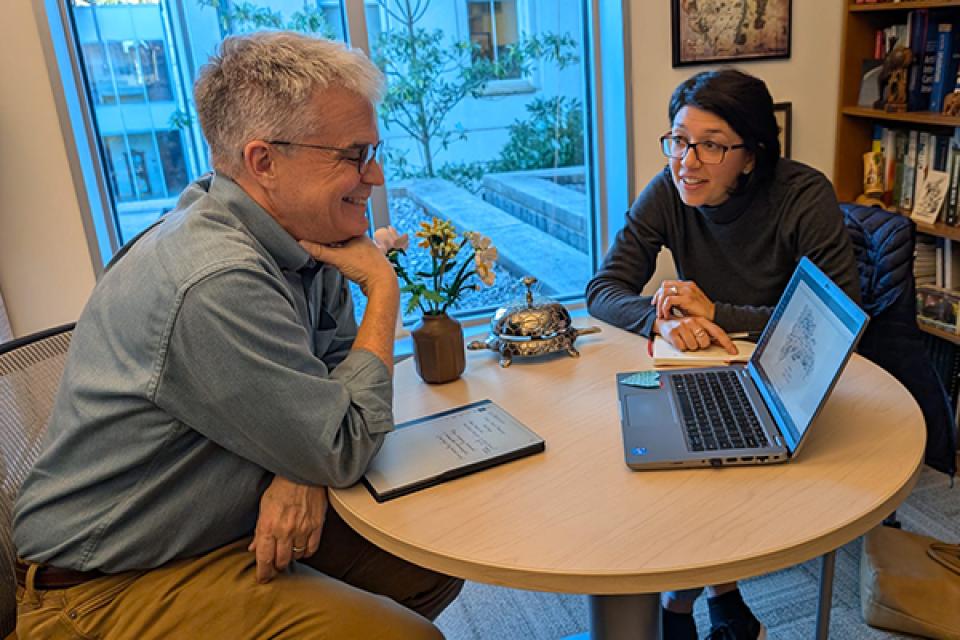
Beatris has collaborated with international experts including Professor Lance A. Waller from the Rollins School of Public Health at Emory University
Beatris’ advice for future PhD candidates
Beatris is the first to acknowledge that a PhD can be intense – it demands focus, flexibility, and often a great deal of self-direction. But with the right mindset, it can also be a deeply rewarding chapter of your life.
She has two main pieces of advice for aspiring candidates.
- “It’s easier to persevere through hard times when your goals are clear: Why do you want to do a PhD? What will a PhD bring to your career? When you know why you’re doing something and what you plan to achieve by doing it, you’ll have a clear idea of your limits, what you’re open to negotiating, where you need to put extra effort, and how to pace yourself.”
- “Your PhD isn’t just your thesis; it’s the whole experience – and it’s one of the rare times in which you will be paid to study and learn, so enjoy it. Be present in your office/lab, make sure you understand what you’re doing, take your time with your activities, talk to other students, attend activities that aren’t strictly related to your PhD and use this as an opportunity to learn new skills, attend social events, network, and collaborate.”
Ready to embark on your own research journey?
Learn more about UQ’s PhD program and start your application