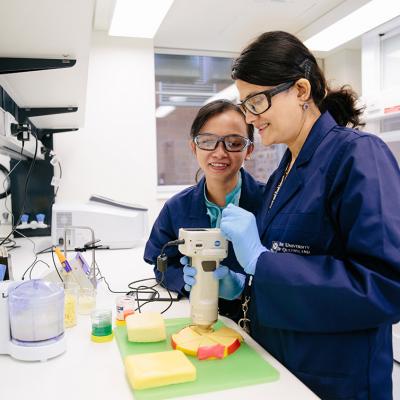
Career opportunities in food science and technology can lead you to fascinating and unexpected places.
Food science, technology and nutrition is one of Australia’s largest industries, partly due to the increased pressure the growing global population is putting on food security. So, with an increased demand for experts in this field, it’s an excellent time to start your food science career.
Here are just a few of the food science career options you can explore by studying food science, nutrition and technology at The University of Queensland.
Nutrition adviser
More people than ever are paying attention to their eating habits and what they consume to keep healthy and energised. This means there’s no shortage of opportunities for people to join the food science industry as expert nutrition advisers. Food science jobs in nutrition give you the chance to make a meaningful impact on people’s lives every day.

What does a nutrition adviser do?
Not to be confused with dietitians, who generally work on a community level, a nutrition adviser works more personally with clients in a one-on-one setting to find the best diet plan for them.
Specifically, some of the things you can expect to do include:
- working closely with clients to develop a personalised diet and exercise plan
- supporting and motivating clients through regular contact to ensure they remain engaged and on track with their plan
- referring them to other relevant professionals if they require further treatment or diagnosis of medical issues.
A role as a nutrition adviser is an incredibly rewarding food science career. You’ll get to see your achievements first-hand as people become happier, healthier and more confident as a result of your advice and expertise.
How to become a nutrition adviser
Start your journey to becoming a nutrition adviser by studying UQ's Bachelor of Science (Food Science and Nutrition major).
Food technologist
A career as a food technologist will see you playing an important part in the development of new food products and the improvement of existing ones. It’s an interdisciplinary role where you’ll have one eye on the science and technical process of food development, and the other on establishing standards for how it’s produced, packaged and marketed.
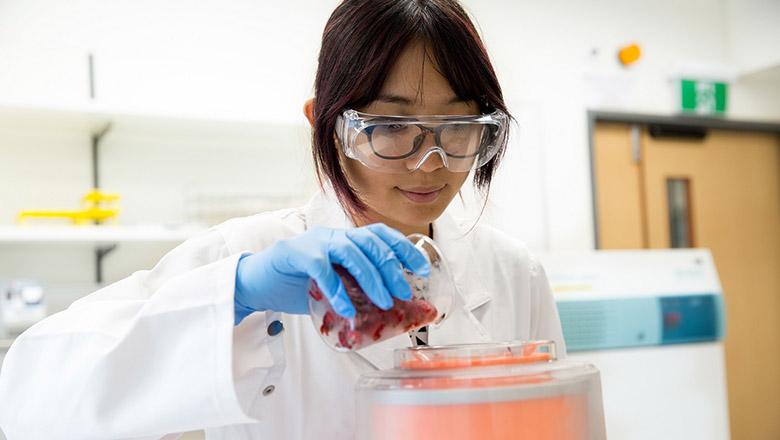
What do food technologists do?
In a food technologist role, you can expect to work on a wide variety of tasks including:
- using scientific research, experimentation and observation methods to improve the taste, preservation, packaging, and nutritional value of new and existing food products
- developing quality-control and safety procedures and standards to improve the shelf life and storage of food products
- making sure the development and processing of food products is compliant with relevant legislation and regulations in the food-manufacturing industry.
This is a role perfectly suited to someone who loves taking a scientific approach to solving real-world problems. It’s a highly interesting and hands-on role that will see you working in laboratories, food-manufacturing plants and offices, specialising in anything from meat, dairy or seafood to cereal, confectionary, snack food and beverage products.
How much do food technologists earn?
According to Seek, the average annual salary of a food technologist can range from $75,000 to $90,000. Early career food technologists with 1-4 years of experience have reported an average salary of $69,000.
How to become a food technologist
The Bachelor of Science (Food Technology major) could be a great starting point on your path to becoming a food technologist.
UQ’s Master of Food Science and Technology is also a great option for graduates looking to make a shift towards a career in food science, technology and nutrition.

Food science researcher
UQ’s food science programs provide an excellent foundation for you to become a leading researcher and academic in the industry. A career as a food science researcher can be highly fulfilling. You’ll get to work on innovative and future-focused research and development solutions to help solve some of the world’s most pressing food security and nutrition problems.
Current research in food science
For more inspiration around where a food science career could take you, discover some recent work of food science researchers at UQ.
Food science is a growing field with an increased demand for people with a keen scientific mind and a passion for creating positive change. So, if you’re interested in taking the first step towards a meaningful career in food science, be sure to check out the food science programs available to study at UQ.