

Learn to interpret the rapid advances in science and mathematics and engage general and non-expert audiences with impact.
Discover how to communicate complex issues such as energy conservation, waste disposal, pesticide risk, or novel, emerging technologies.
Practise strategies that educate and influence effective decision making by the public.
Build a communication toolkit using critical thinking, reading, verbal and writing skills.
Develop, deliver, and evaluate your own science communication strategy with a local community audience.
Use your elective courses to focus on strategic communication or journalism.
Be challenged by award-winning communication and journalism researchers during interactive lectures, tutorials and workshops.
Practice your collaboration and interpersonal communication with science and non-science students.
Science communicators work in research institutions, universities, government, the private sector, the media, education, cultural institutions, medical charities and the arts.
Employment for science communicators is continuing to grow as organisations prioritise communicating their research to raise awareness, public support and funding.
Career possibilities
Our programs prepare you for your first job and beyond. Here are some of the careers you could be on your way to:
- Technical writer
- Environmental and science communicator
- Education officer
- Content creator
- Editorial writer
Next steps after graduation
When you graduate, you'll be in high demand by employers for your advanced technical, communication, independent thinking and problem-solving skills.
Depending on your major, you'll have the pick of a broad range of career possibilities in areas, including but not limited to:
- academia and research
- government
- industry
- environment
- hospitals and health
- marine preservation
- secondary school teaching (with further study)
- environmental planning and site assessment
- operations research and logistics
- finance.
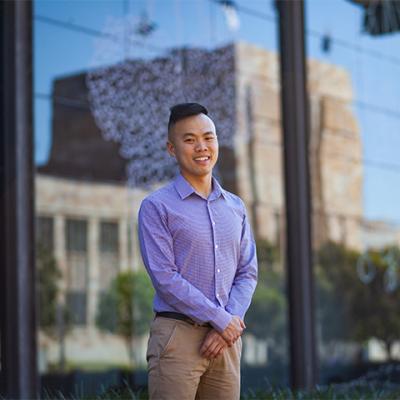
The biotechnology program at UQ exposed me to the rigorous process behind bringing a potential drug candidate into clinical practice. The insights I gained and networks I’ve built throughout my degree have been instrumental in my progression into medicine.
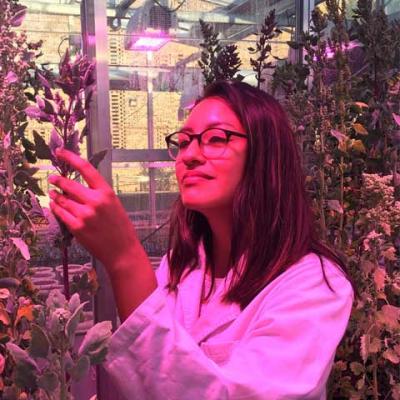
I enjoyed learning the science behind biological mechanisms and working with the plants in the glasshouses on campus knowing that I can have a real, positive impact on agriculture.

I loved the visits to research centres outside UQ. I learned about research institutions and industries I could work for. I also enjoyed the enriching research culture at UQ and the opportunities to gain experience working alongside researchers and academics.
The biotechnology program at UQ exposed me to the rigorous process behind bringing a potential drug candidate into clinical practice. The insights I gained and networks I’ve built throughout my degree have been instrumental in my progression into medicine.
I enjoyed learning the science behind biological mechanisms and working with the plants in the glasshouses on campus knowing that I can have a real, positive impact on agriculture.
I loved the visits to research centres outside UQ. I learned about research institutions and industries I could work for. I also enjoyed the enriching research culture at UQ and the opportunities to gain experience working alongside researchers and academics.
Events
See all events

12 November
Postgraduate business analytics information webinar

Stories
See all stories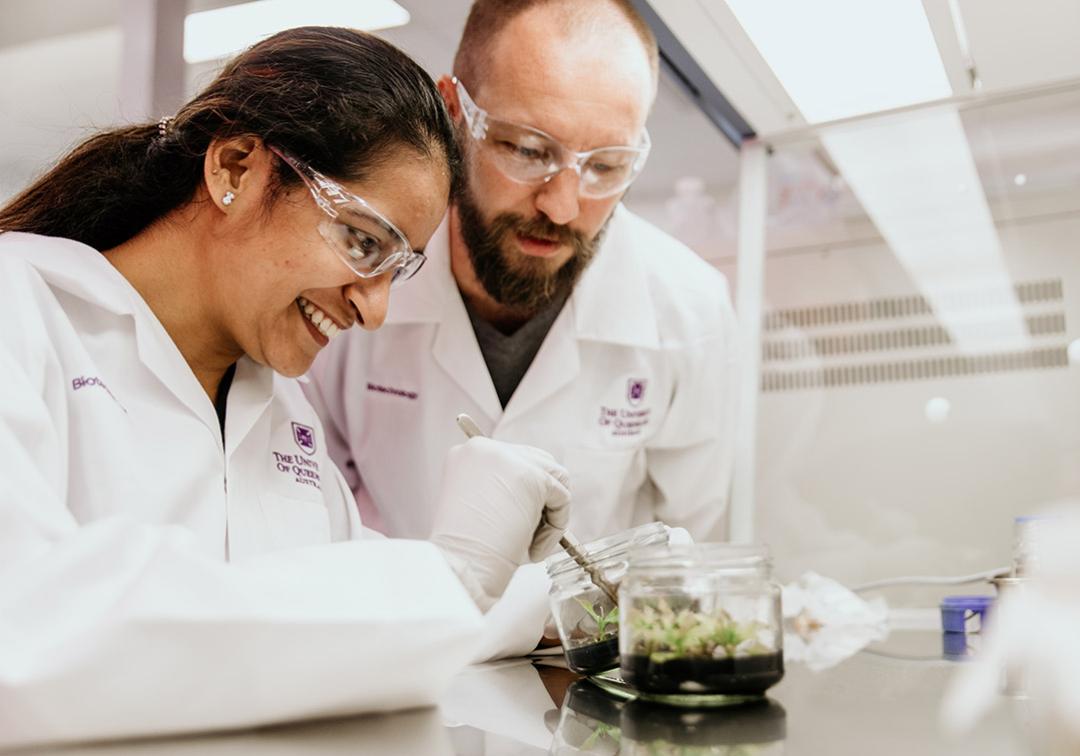
Careers
Study biotechnology at UQ to cultivate a cutting-edge career
5-minute read

UQ people
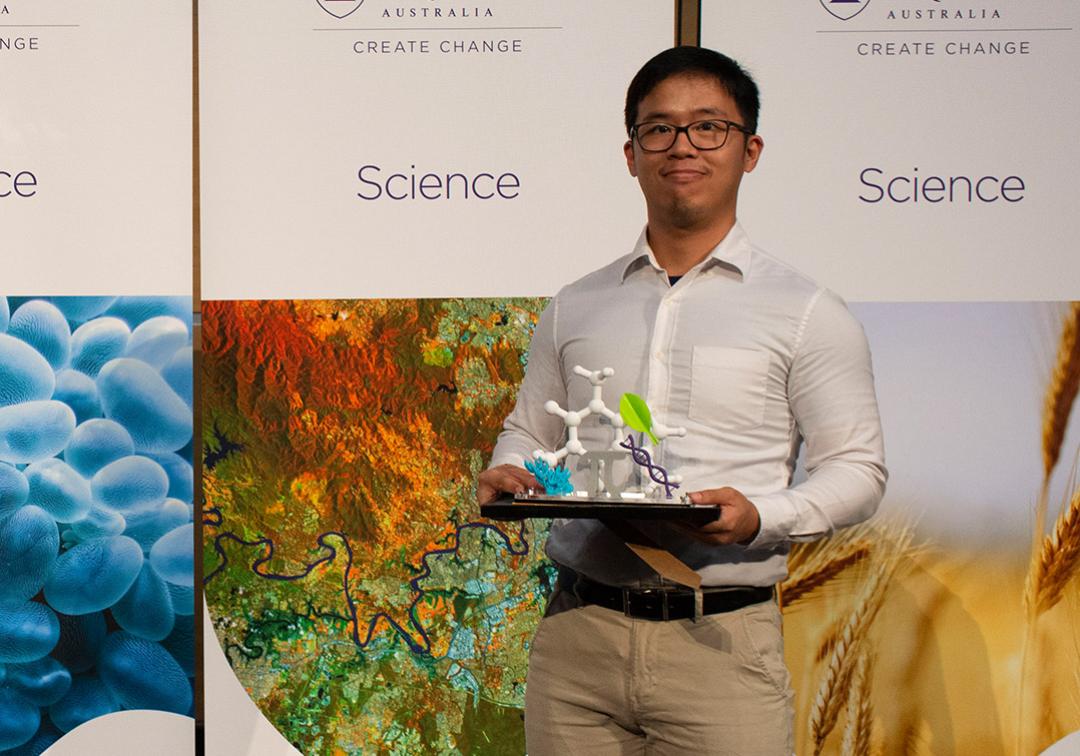
Sharan’s MBA story: from CTO to building a quantum computing company
7-minute read
Stories
See all storiesCareers
Study biotechnology at UQ to cultivate a cutting-edge career
5-minute read
UQ people
Sharan’s MBA story: from CTO to building a quantum computing company
7-minute read
How you'll learn
Your learning experiences are designed to best suit the learning outcomes of the courses you choose.
- Lectures
- Tutorials
What you'll study
At UQ, subjects are called 'courses'. Here's a sample of the courses you could study:
- Journalistic Narratives
- Media Strategies
- Public Relations Writing
Helpful advice, right when you need it
Get useful info to help you navigate the confusing parts of getting into uni. Scholarship reminders, access to events and experiences, and advice from real students.
Sign up for updates. (No spam! We promise.)