

Microbiology is at the forefront of protection against infectious diseases.
You’ll study microorganisms, the immune system, microbial virulence, disease states and response to infection.
Discover how vaccines protect animals and humans from infectious diseases. You'll be taught the latest advances in vaccine development from lecturers who are globally recognised experts.
Learn about bacterial, fungal and viral infections, and focus on:
- immunology
- virology
- parasitology
- environmental microbiology
- microbial biotechnology
- microbial genomics.
Apply your knowledge in weekly laboratory practicals to enhance your technical, analytical, research and reporting abilities.
You'll gain experience in specialist biomedical and molecular techniques used to diagnose and characterise infectious microbes and in the development of new diagnostics.
Career possibilities
Our programs prepare you for your first job and beyond. Here are some of the careers you could be on your way to:
- Microbiologist
- Forensic specialist
- Biosecurity officer
- Laboratory coordinator
- Medical scientist
- Microbiology team lead
- Laboratory manager
- Microbiology laboratory technician
Average annual salary range
Microbiologist
seek.com.au
Average annual salary range
Laboratory Supervisor
seek.com.au
Next steps after graduation
The growth in biotechnology, aquaculture and emerging disease threats to plant, animal and human health globally has increased job opportunities for microbiologists.
You’ll be equipped for roles in agriculture, environmental, chemical, pharmaceutical, medical, food processing and veterinary companies.
Studying microbiology can lead to rewarding career opportunities in specialist areas such as forensics, biosecurity and quarantine in government agencies.
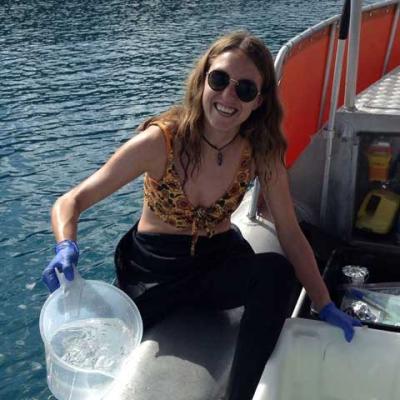
At UQ I had the opportunity to work on a coral metagenomics research study which allowed me to gain additional fieldwork experience on the Great Barrier Reef whilst learning new laboratory and bioinformatics skills that are essential to the research I do now.
At UQ I had the opportunity to work on a coral metagenomics research study which allowed me to gain additional fieldwork experience on the Great Barrier Reef whilst learning new laboratory and bioinformatics skills that are essential to the research I do now.
Events
See all events
21 May
UQ's sustainable energy programs – live Q&A webinars
9 June
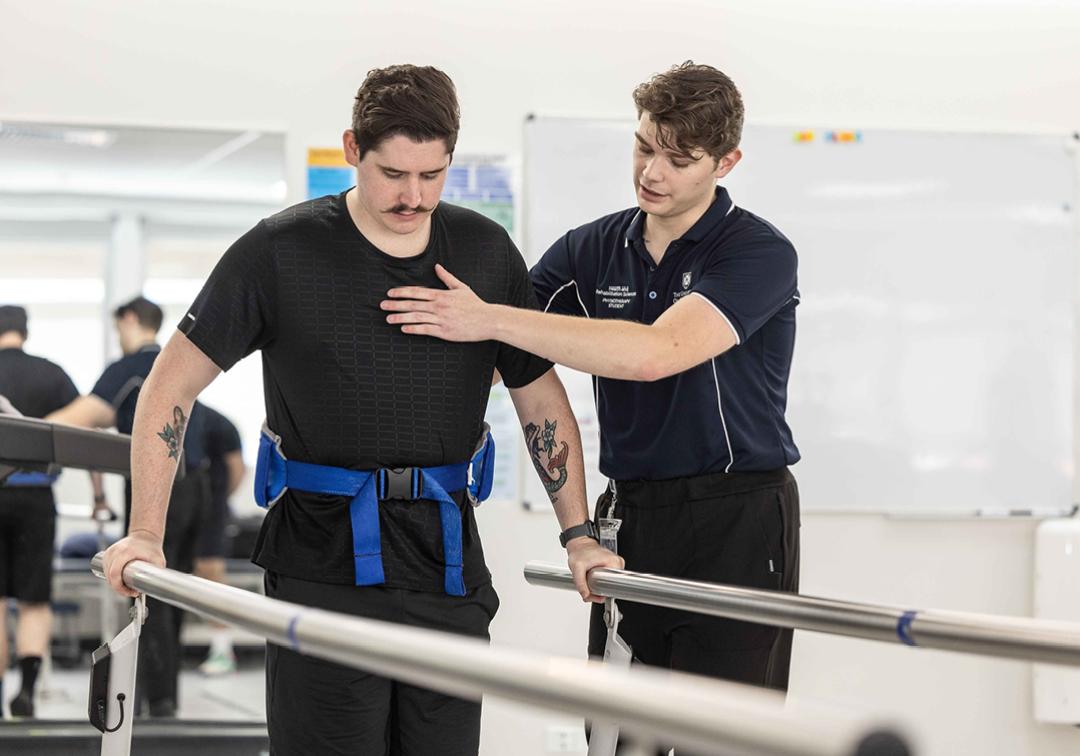
Master of Physiotherapy information webinar

11 June
Beyond Megawatts: Embedding Biodiversity in Energy System Planning
Stories
See all stories
Uni life
What's it really like to study science at UQ?
9-minute read

Study tips
UQ science scholarships to help fund your studies
8-minute read

Careers
What can you do with a Bachelor of Science?
7-minute read
Stories
See all storiesUni life
What's it really like to study science at UQ?
9-minute read
Study tips
UQ science scholarships to help fund your studies
8-minute read
Careers
What can you do with a Bachelor of Science?
7-minute read
How you'll learn
Your learning experiences are designed to best suit the learning outcomes of the courses you choose.
- Lectures
- Tutorials
- Research experience
- Laboratory work
What you'll study
At UQ, subjects are called 'courses'. Here's a sample of the courses you could study:
- Genes, Cells and Evolution
- Biochemistry & Molecular Biology
- Microbiology and Immunology
- Microbes and Human Health
Helpful advice, right when you need it
Get useful info to help you navigate the confusing parts of getting into uni. Scholarship reminders, access to events and experiences, and advice from real students.
Sign up for updates. (No spam! We promise.)