

Learn to apply scientific approaches to measure and interpret geographical processes and phenomena.
You can study hydrology and geomorphology, marine and coastal systems, society and the environment, urban and economic geography, demography and Geographic Information Systems (GIS).
Discover how to model, manage and analyse geo-referenced information and datasets.
Choose to specialise in earth systems science, climatology, biogeography or GIS.
Gain valuable practical skills through field studies.
You’ll graduate with the critical thinking ability to solve key environmental, societal or planning issues facing today’s modern world.
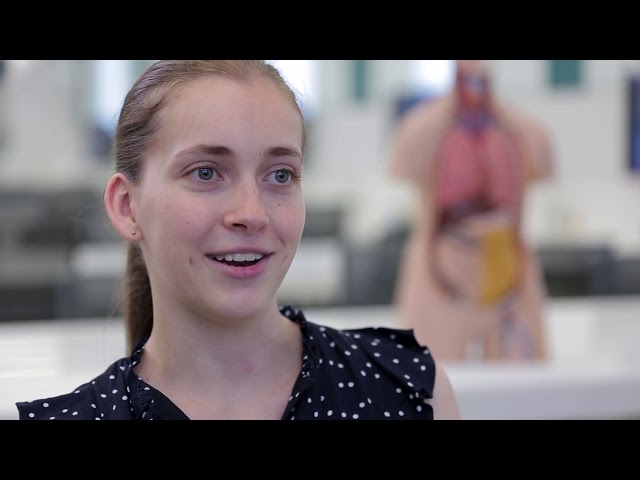
Career possibilities
Our programs prepare you for your first job and beyond. Here are some of the careers you could be on your way to:
- Biodiversity project officer
- Environmental planner
- Geospatial officer
- Environmental management team lead
- Surveyor
- Wildlife management officer
- Geoscientist
- Park ranger
- Geophysicist
- Climate change adviser
Average annual salary range
Environmental Officer
seek.com.au
Average annual salary range
Geographic Information System Officer
seek.com.au
Next steps after graduation
Employment prospects for geographers and spatial scientists are expected to grow globally 8% between 2025 and 2035.
Expect to find employment in:
- natural resource management, agriculture and ecotourism
- hazard assessment, mitigation and disaster management
- national parks and wildlife conservation
- planning the delivery of human services and policy development
- environmental consultancy, monitoring and pollution control
- GIS analytics.
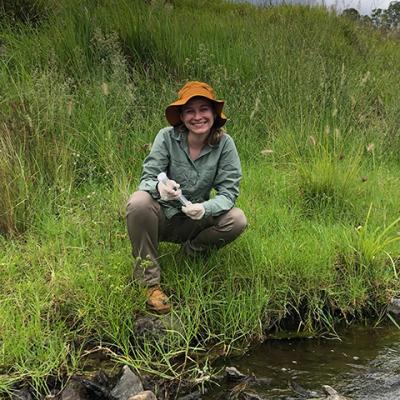
Studying geographical science allowed me to explore many different perspectives and techniques for approaching challenges related to people, place and environment. Fieldwork and field courses were a big highlight for me, particularly a geomorphology and environmental hazards trip to New Zealand in my second year.
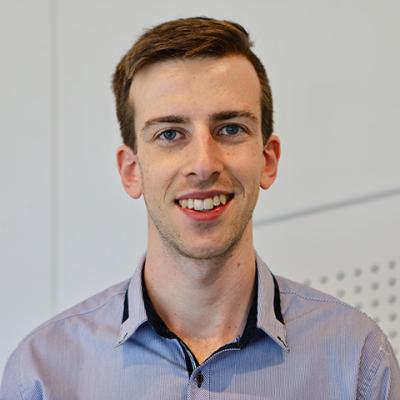
During my studies I conducted fieldwork and research in Queensland and overseas on climate change adaptation. My UQ degree taught me vital skills and knowledge not only for a career in science, but for any field I choose to pursue.
Studying geographical science allowed me to explore many different perspectives and techniques for approaching challenges related to people, place and environment. Fieldwork and field courses were a big highlight for me, particularly a geomorphology and environmental hazards trip to New Zealand in my second year.
During my studies I conducted fieldwork and research in Queensland and overseas on climate change adaptation. My UQ degree taught me vital skills and knowledge not only for a career in science, but for any field I choose to pursue.
Events
See all events

29 October
Master of Mental Health information webinar

12 November
Postgraduate business analytics information webinar
Stories
See all stories
Uni life
What's it really like to study science at UQ?
9-minute read

Study tips
UQ science scholarships to help fund your studies
8-minute read

Careers
What can you do with a Bachelor of Science?
7-minute read
Stories
See all storiesUni life
What's it really like to study science at UQ?
9-minute read
Study tips
UQ science scholarships to help fund your studies
8-minute read
Careers
What can you do with a Bachelor of Science?
7-minute read
This Major is available as:
- Major
- Extended Major
How you'll learn
Your learning experiences are designed to best suit the learning outcomes of the courses you choose.
- Lectures
- Tutorials
- Research experience
- Laboratory work
- Fieldwork
- Workshops
What you'll study
At UQ, subjects are called 'courses'. Here's a sample of the courses you could study:
- Environment & Society [Core course]
- Geographical Information Systems [Elective]
- Environmental Systems [Elective]
- Climatology & Hydrology Elective]
- Applied Demography [Elective]
- Biogeography & Geomorphology [Elective]
- Global Change: Problems & Prospects [Elective]
Helpful advice, right when you need it
Get useful info to help you navigate the confusing parts of getting into uni. Scholarship reminders, access to events and experiences, and advice from real students.
Sign up for updates. (No spam! We promise.)